Find the single matching biology symbol between your active card and the center pile. There is always exactly one — guaranteed by mathematics!
👤
Single Player
Race 60 seconds — match as many cards as you can solo.
👥
Local Duel
Two players, one screen — first to click wins the round!
🌐
Online Duel
Play against another player online in real-time!
checking active players...
Difficulty
How It Works
A Classic Game, A Biology Twist
1
Choose Your Mode
Select Solo to race the clock, or Duel to challenge a friend sitting next to you on the same device.
2
Spot the Match
Look at your active card and the center pile. Spot the single biological symbol that appears on both.
3
Click It Fast!
Tap or click the match on your card. You score points and get fresh cards. Watch the timer!
4
Study & Print
Navigate to Study to flip-learn all organelles, or Print to generate customized physical decks.
Score0
Player 10
Time Left60s
Round1 / 20
Player 20
📚 Cell Biology Study Reference & Notes
1. Understanding the Concept of a "Cell"
Currently, approximately 250 different cell types are recognized. Understanding cell shape and structure is one of the most important milestones in Biology, with advances occurring from Hooke's discovery of the cell in 1665 through the formulation of cell theory by Schleiden and Schwann, parallel to progress in microscopy. (Santos 2026)
📹 Watch: Cell Discovery
Key Principle: The morphology of cells is adapted to their function, as is their cytoplasmic content (e.g., organelles, cytoskeletal components). (Santos 2026) This means cells are not "typical" or standardized—their structures reflect their specific biological jobs.
2. Major Cell Types: Prokaryotic vs. Eukaryotic
📹 Watch: Types of Cells
Prokaryotic Cells
Prokaryotic cells grow and divide in stable, colloidal processes throughout which the cytoplasm remains crowded (concentrated) with closely interacting proteins and nucleic acids. Their functional stability is ensured by repulsive and attractive non-covalent forces, especially van der Waals forces, screened electrostatic forces, and hydrogen bonding. (Spitzer 2023)
No membrane-bound nucleus: Genetic material floats freely in the nucleoid region.
Simpler organization: Generally smaller (1-10 μm) and lack membrane-bound organelles.
Examples: Bacteria and Archaea.
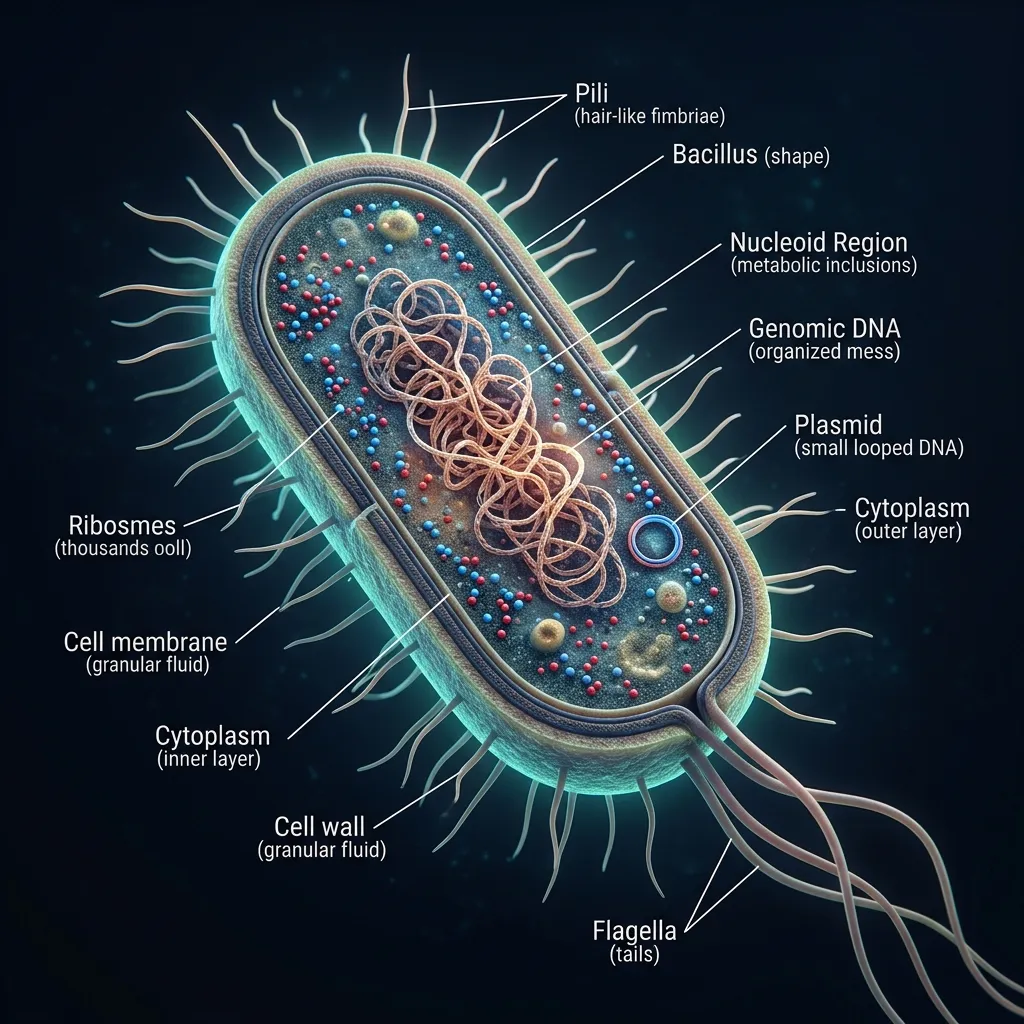
🦠 Bacteria Cell
Cell WallRigid outer layer (peptidoglycan) that provides structural support and protects against osmotic pressure.
Cell MembranePhospholipid bilayer that controls what enters and exits the cell via selective permeability.
Nucleoid RegionContains a single circular chromosome of DNA; not enclosed by a membrane. Controls cell activities.
Ribosomes (70S)Small organelles that synthesize proteins from mRNA templates. Smaller than eukaryotic ribosomes.
FlagellumWhip-like tail used for locomotion. Rotates like a propeller to move the bacterium through liquids.
Pili (Fimbriae)Short hair-like projections for attachment to surfaces and conjugation (DNA transfer between cells).
PlasmidSmall circular DNA separate from the chromosome. Often carries antibiotic resistance genes.
CytoplasmGel-like fluid filling the cell. Contains enzymes, nutrients, and all cellular machinery.
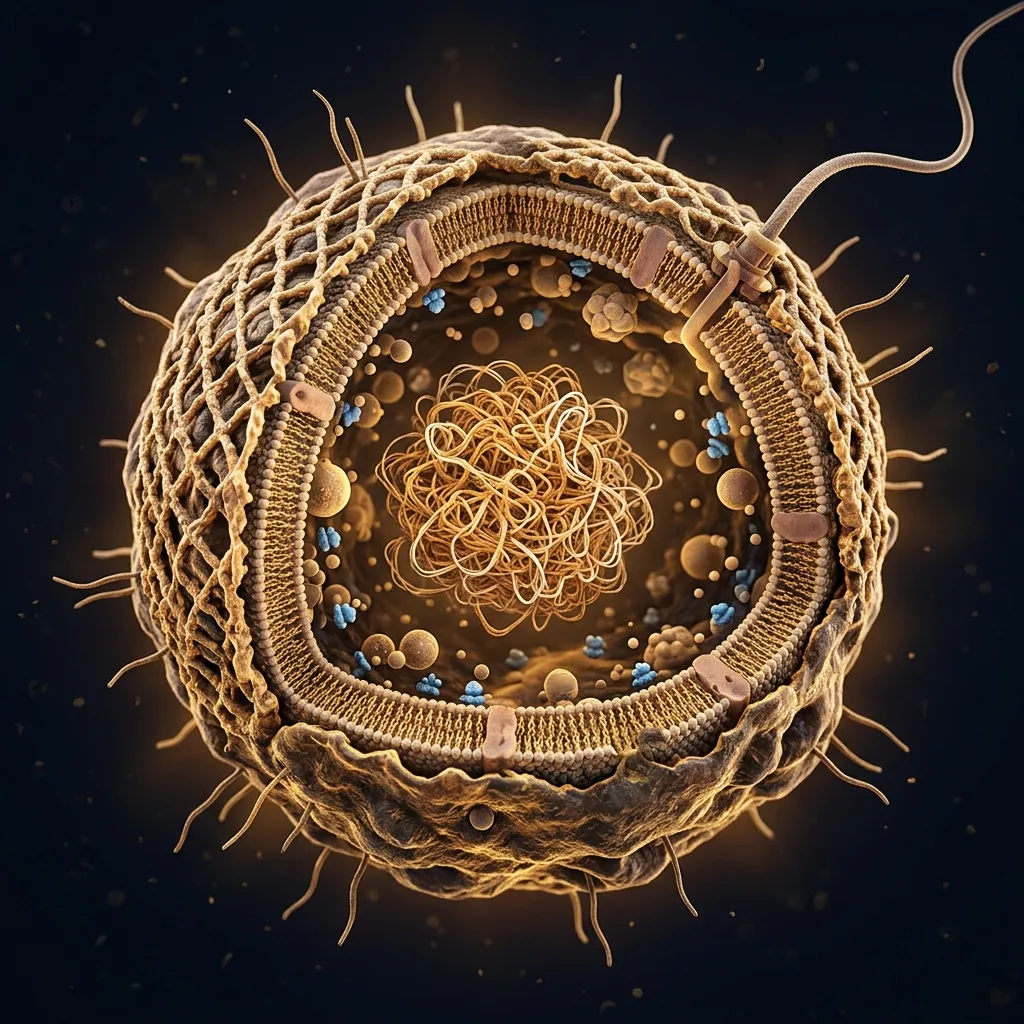
🌋 Archaea Cell
S-LayerCrystalline protein surface layer. Unique to archaea — replaces peptidoglycan. Provides protection.
Cell MembraneContains ether-linked lipids (not ester-linked like bacteria). More stable in extreme environments.
Nucleoid RegionCircular chromosome similar to bacteria but with histone-like proteins, more similar to eukaryotes.
Ribosomes (70S)Protein synthesis machinery. More similar to eukaryotic ribosomes than bacterial ones in structure.
CytoplasmContains unique enzymes adapted for extreme conditions (high heat, salt, or acidity).
ArchaellumFlagellum-like structure unique to archaea. Different assembly mechanism than bacterial flagella.
PseudopeptidoglycanCell wall polymer in some archaea. Similar function to bacterial peptidoglycan but different chemistry.
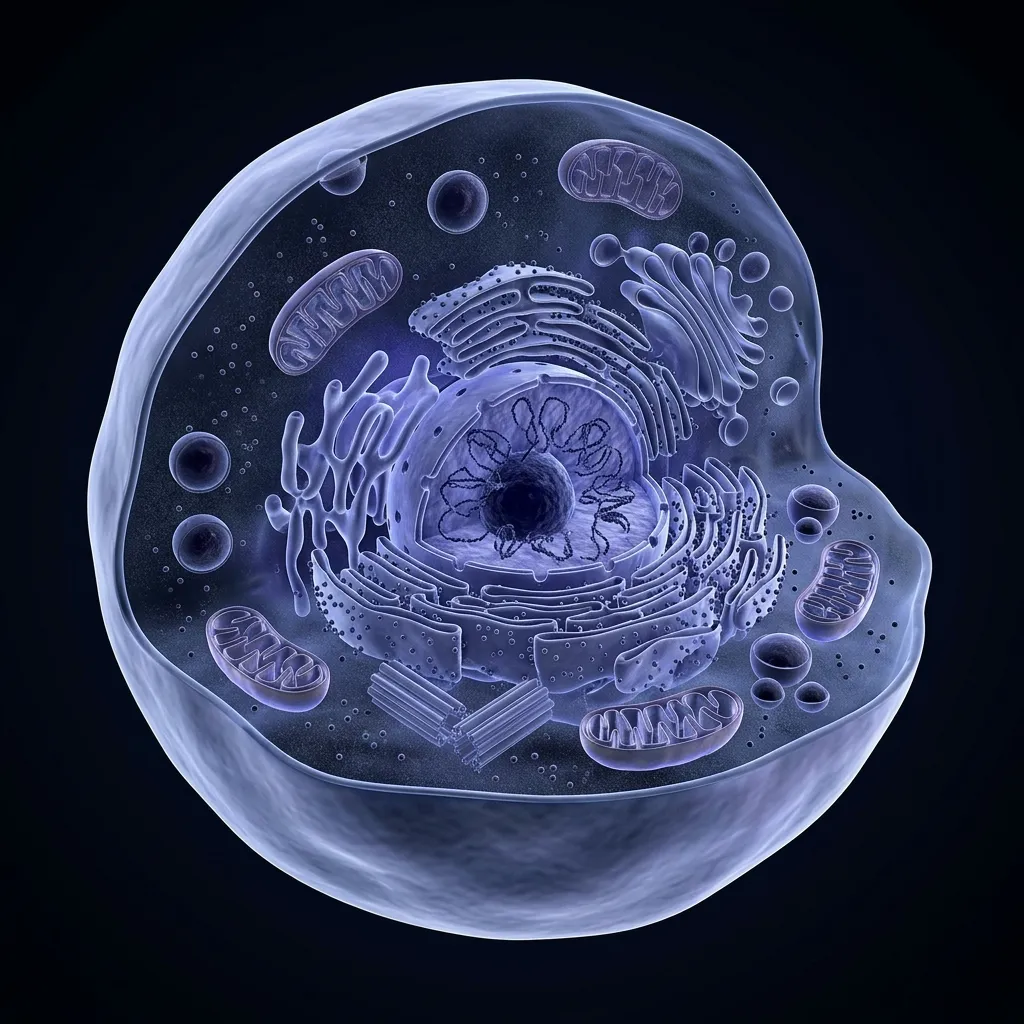
Eukaryotic Cells
Eukaryotic cells present an intricate network of intracellular membranes, which defines the nucleus and other organelles with distinct biochemical composition, structure, and functions. Subcellular compartmentalization of membrane-bound or membrane-unbound organelles has allowed for spatial control of biological processes. (Haddad 2020)
Membrane-bound nucleus: Holds the cellular DNA and coordinates growth and division.
NucleusContains DNA and controls gene expression. Enclosed by a double membrane (nuclear envelope).
MitochondriaPowerhouse of the cell. Produces ATP through cellular respiration for energy.
Rough ERStudded with ribosomes. Synthesizes and folds proteins destined for secretion or membranes.
Golgi ApparatusModifies, packages, and ships proteins and lipids to their final destinations.
LysosomesDigestive organelles containing enzymes that break down waste, debris, and foreign materials.
Cell MembraneFlexible phospholipid bilayer. No cell wall — gives animal cells their flexible, irregular shape.
CentriolesOrganize spindle fibers during cell division. Unique to animal cells (absent in most plant cells).
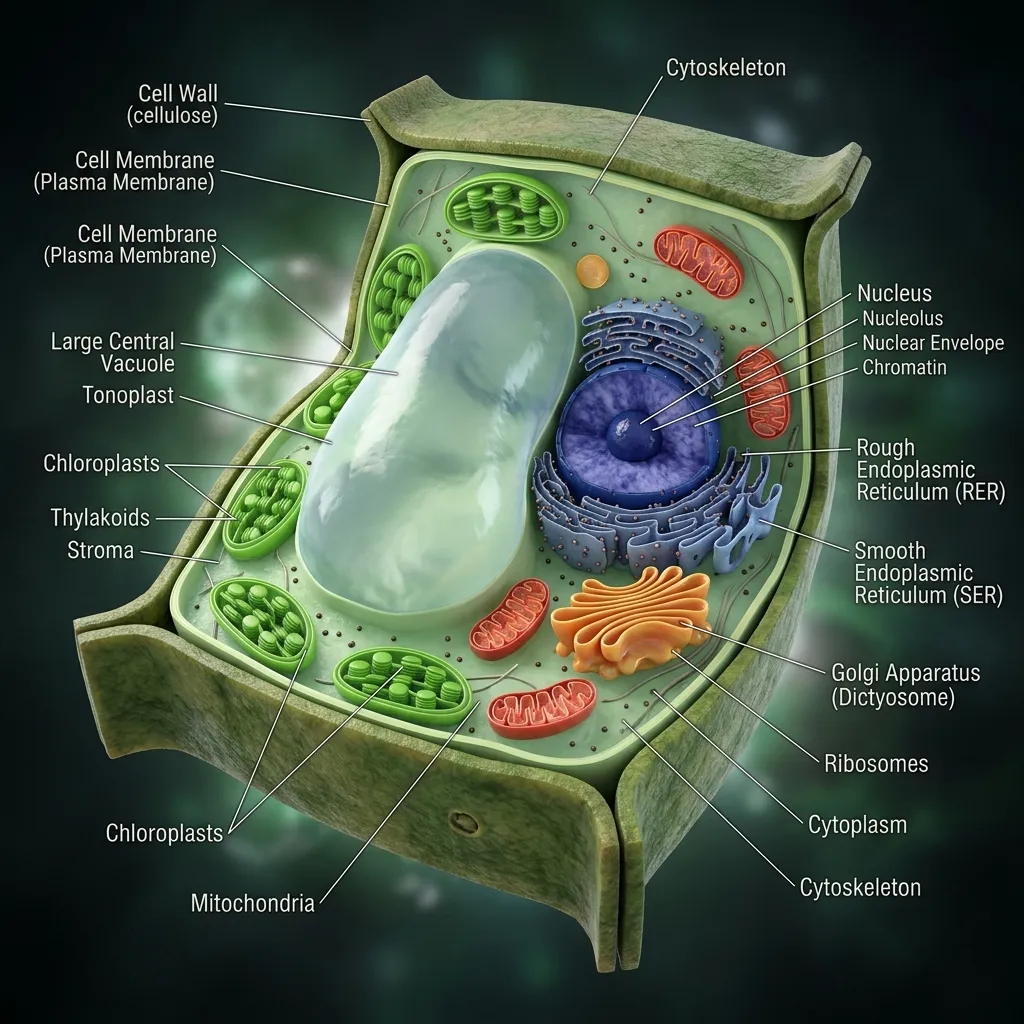
🌿 Plant Cell
Cell WallRigid cellulose layer outside the membrane. Provides structural support and protection.
Central VacuoleLarge water-filled sac that maintains turgor pressure, stores nutrients, and aids in growth.
ChloroplastsSite of photosynthesis. Converts sunlight, CO₂, and water into glucose and oxygen.
NucleusControl center containing DNA. Directs protein synthesis and cell reproduction.
MitochondriaGenerates ATP via cellular respiration. Plants have both mitochondria AND chloroplasts.
PlasmodesmataChannels through cell walls connecting adjacent plant cells for communication and transport.
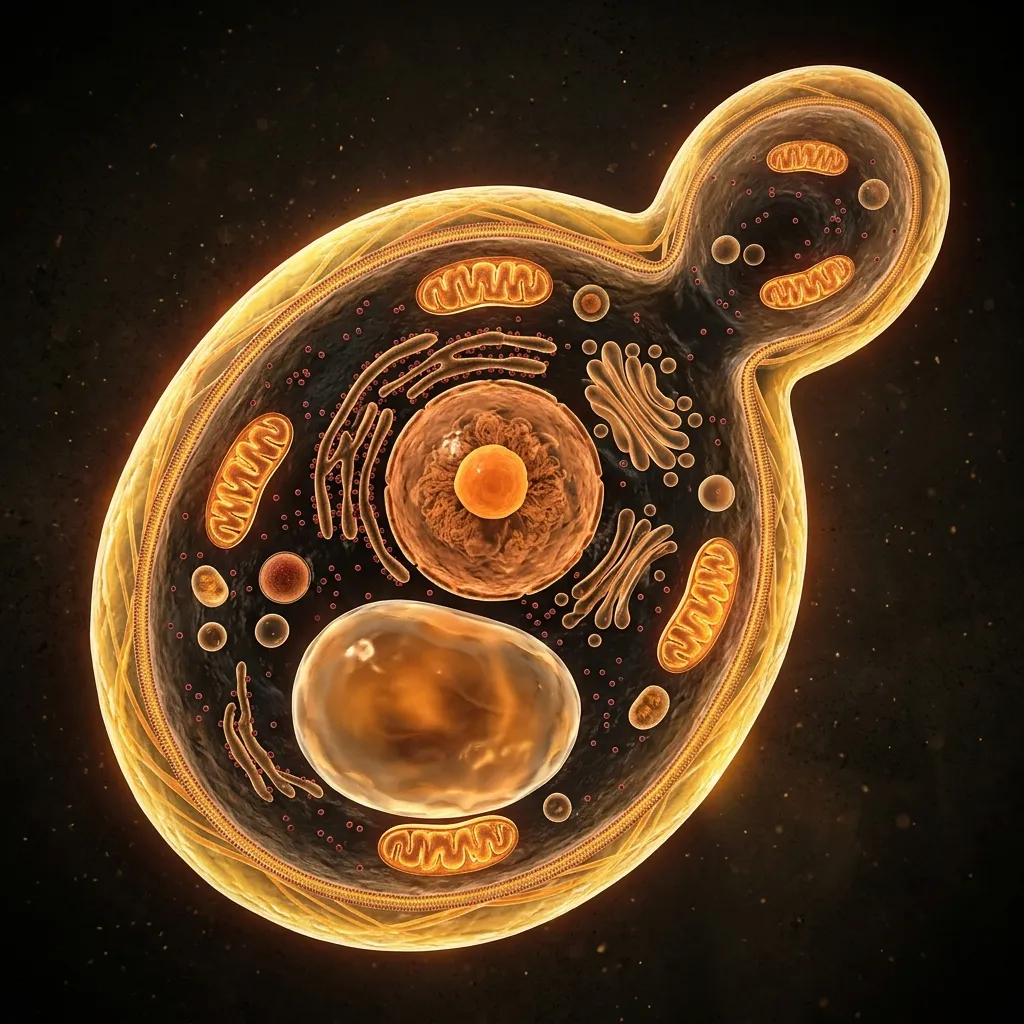
🍄 Fungal Cell
Chitin Cell WallMade of chitin (not cellulose). Provides rigid structure. Same material as insect exoskeletons.
NucleusContains DNA. Some fungi are multinucleate (multiple nuclei per cell) in coenocytic hyphae.
VacuoleStorage of nutrients and waste. Helps maintain osmotic balance and cell turgor.
MitochondriaEnergy production via aerobic respiration. Fungi are heterotrophs — they don't photosynthesize.
Endoplasmic ReticulumNetwork for protein and lipid synthesis. Secretes enzymes for extracellular digestion.
Bud ScarMark left from asexual budding reproduction in yeast. Each scar represents one division.
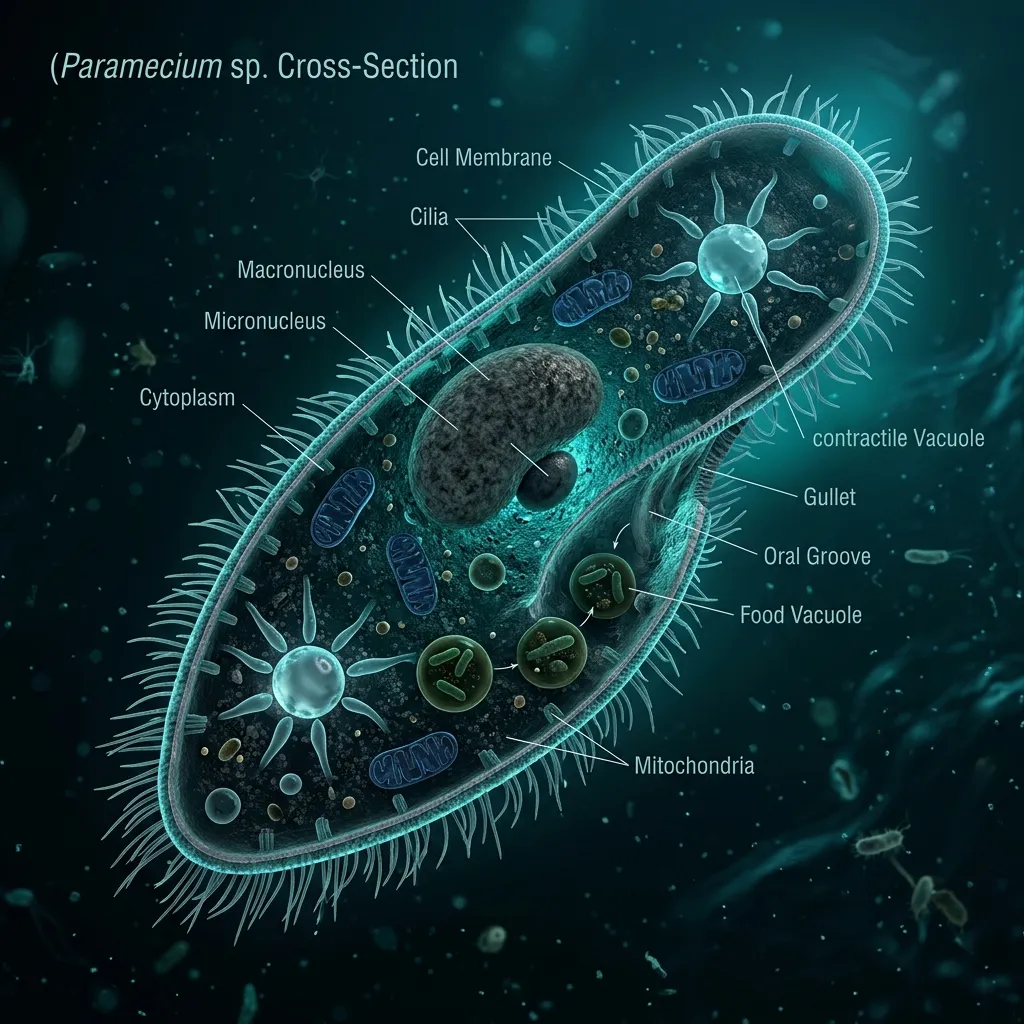
🦠 Protist Cell (Paramecium)
CiliaTiny hair-like projections covering the surface. Used for locomotion and sweeping food into the oral groove.
MacronucleusLarge nucleus controlling daily cell functions and gene expression. Contains multiple copies of DNA.
MicronucleusSmall nucleus for sexual reproduction (conjugation). Stores genetic info for exchange.
Contractile VacuolePumps excess water out of the cell to prevent bursting. Acts as an osmoregulatory organ.
Food VacuoleDigests food particles engulfed through the oral groove. Contains digestive enzymes.
Oral GrooveFunnel-shaped depression that channels food particles into the cell for digestion.
3. Cell Membrane: Structure & Transport
📹 Watch: Types of Cell Membrane
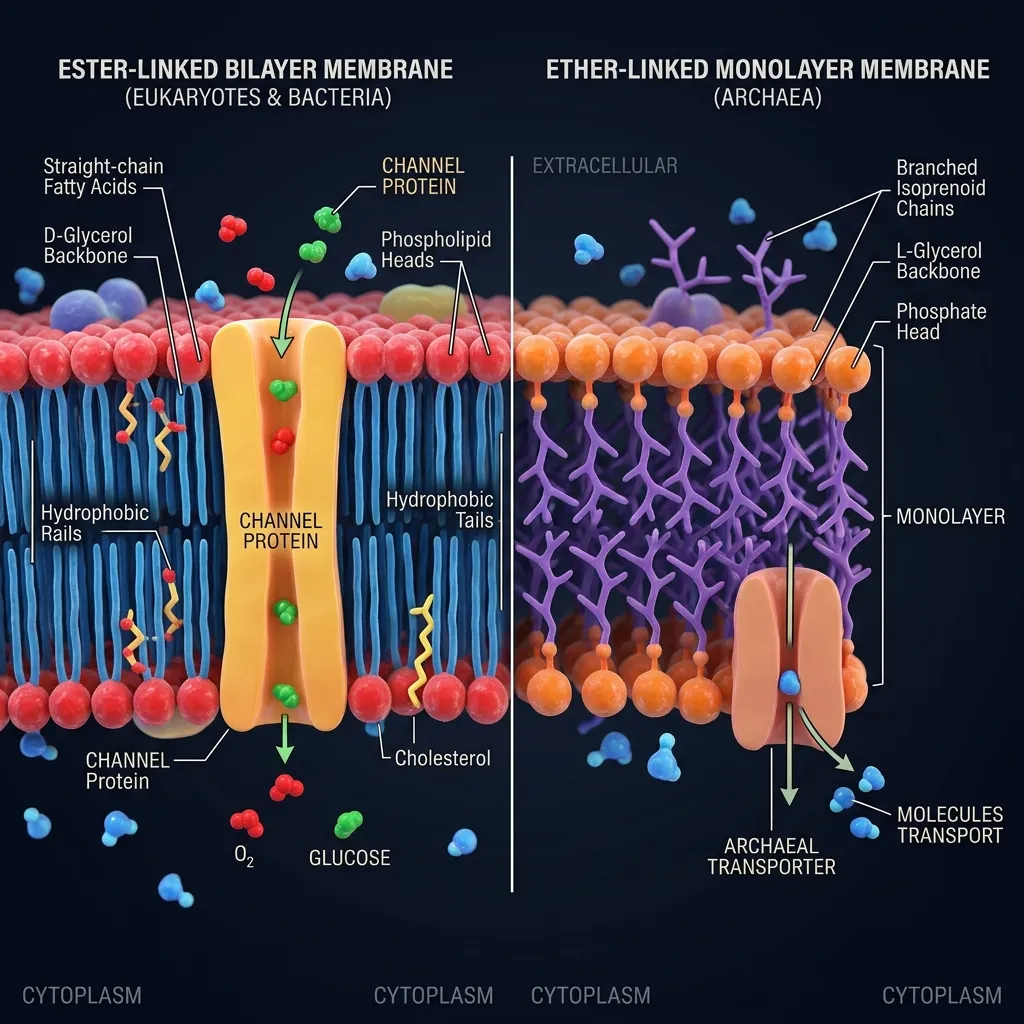
Cell membranes vary between eukaryotic, bacterial, and archaebacterial organisms. Sterol-containing membranes show correlation with membrane thickness, area compressibility modulus, and lipid order. Sterols and lipid unsaturation produce opposite effects on membrane thickness, but only sterols influence water permeation into the membrane. (Pogozheva et al. 2022)
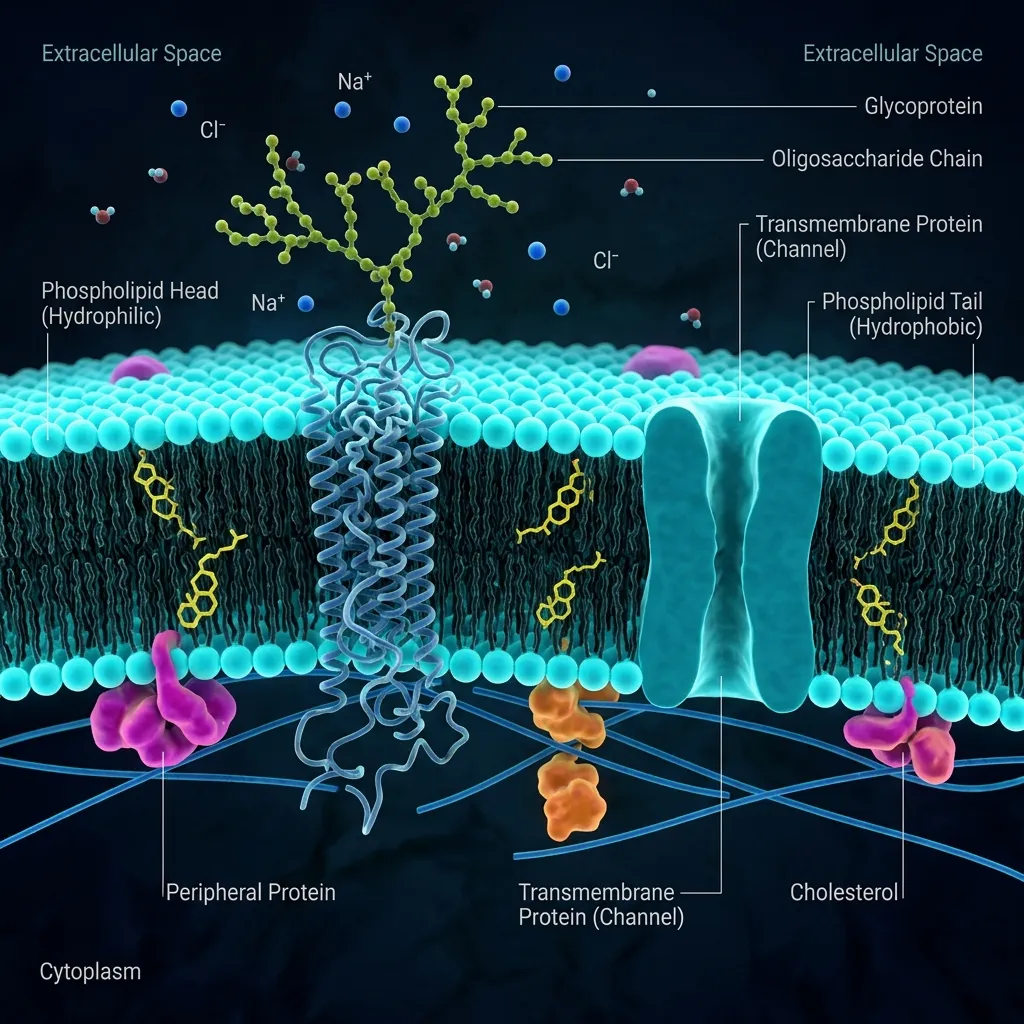
🧬 Fluid Mosaic Model — Plasma Membrane
Phospholipid BilayerTwo layers of phospholipids with hydrophilic heads facing outward and hydrophobic tails inward. Forms the basic barrier.
Integral (Transmembrane) ProteinSpans the entire membrane. Functions as channels, transporters, and receptors for signaling molecules.
Peripheral ProteinAttached to the membrane surface. Involved in signaling, cell shape, and enzymatic activity.
CholesterolWedged between phospholipids. Regulates membrane fluidity — prevents it from becoming too rigid or too fluid.
GlycoproteinProtein with attached sugar chains. Used for cell recognition, immune response, and cell-to-cell communication.
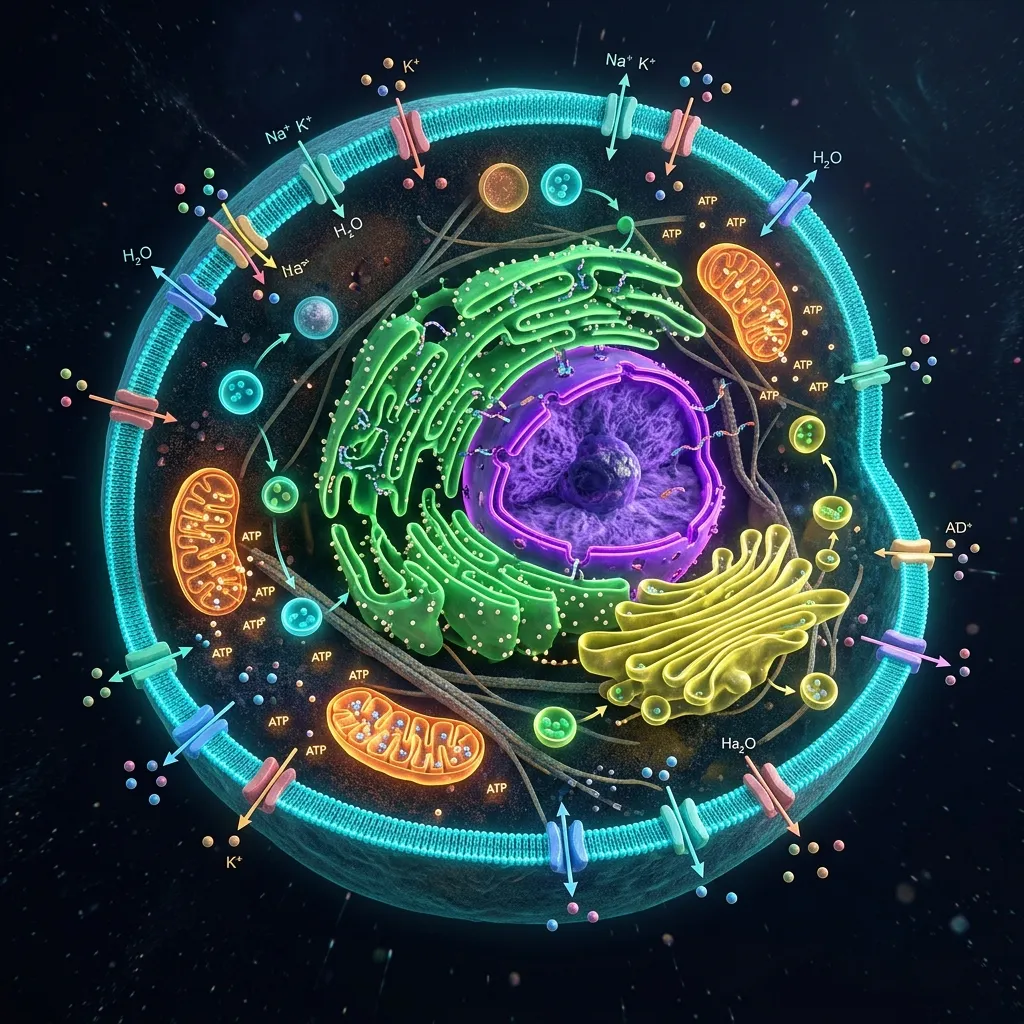
Channel ProteinForms hydrophilic pores allowing specific ions (Na⁺, K⁺, Ca²⁺) to pass through by facilitated diffusion.
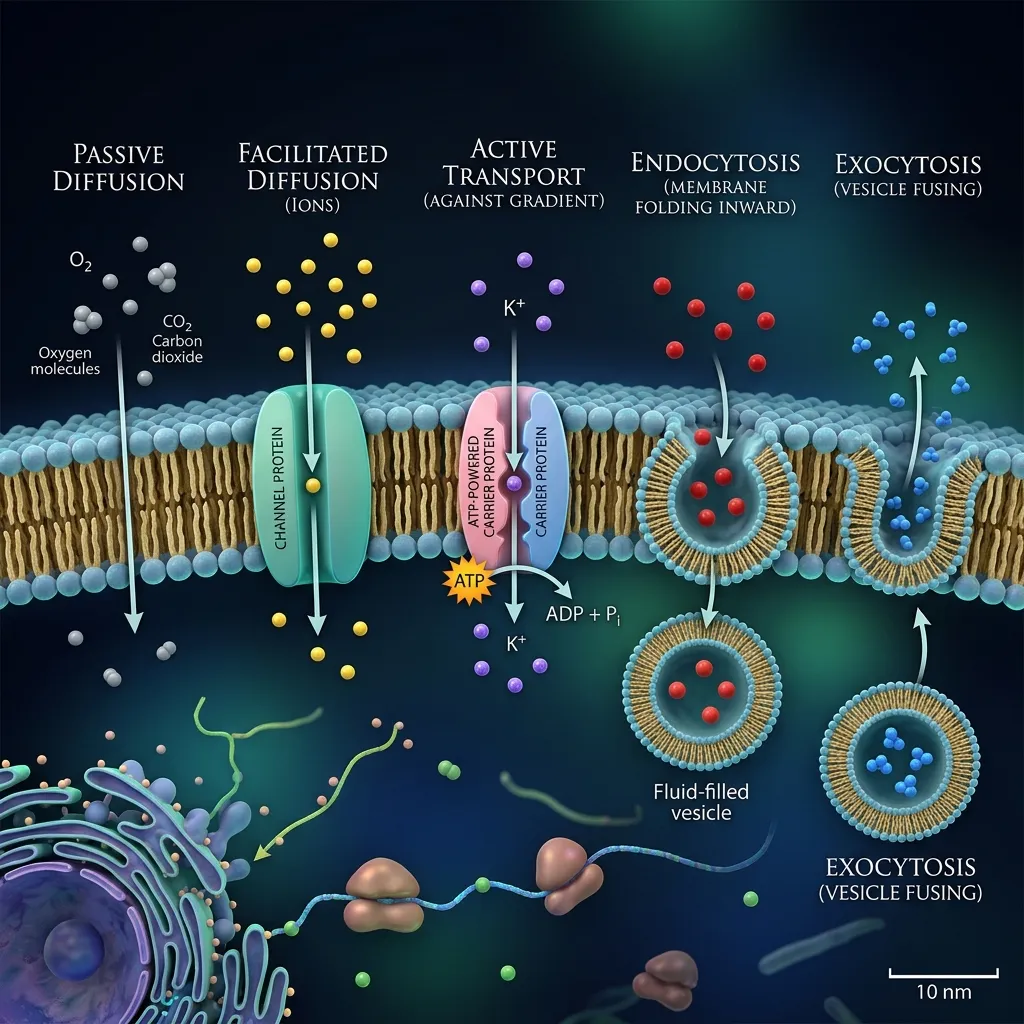
🚀 Membrane Transport Mechanisms
Passive DiffusionSmall nonpolar molecules (O₂, CO₂) pass directly through the bilayer. No energy required — moves down the gradient.
Facilitated DiffusionLarger or polar molecules pass through channel or carrier proteins. No ATP needed — follows concentration gradient.
Active Transport (ATP Pump)Moves molecules AGAINST concentration gradient using ATP energy. Example: Na⁺/K⁺ pump (3 Na⁺ out, 2 K⁺ in).
EndocytosisMembrane folds inward to engulf large particles/fluid into vesicles. Types: phagocytosis, pinocytosis, receptor-mediated.
ExocytosisVesicles fuse with the membrane to release contents outside the cell. Used for secretion of hormones and enzymes.
OsmosisDiffusion of water through aquaporin channels or the bilayer. Moves from low to high solute concentration.
Membrane Transport Functions: The majority of plasma membrane proteins transport solutes across the membrane. A number of ATP-dependent export systems have been detected that couple the hydrolysis of ATP to transport of molecules out of the cell. The hydrolysis of ATP by the plasma membrane H+-ATPase generates a proton motive force which is used to drive secondary active transport processes. (Rest et al. 1995)
Membrane transporters allow the selective transport of otherwise poorly permeable solutes across the cell membrane and thus play a key role in maintaining cellular homeostasis in all kingdoms of life. (Giladi and Khananshvili 2020)
Types of Cell Membranes
🧪 1. By Evolutionary Domain — Chemical Structure
Ester-Linked BilayerEukaryotes & Bacteria — straight-chain fatty acids linked to D-glycerol backbone. Always forms a double layer (bilayer).
D-Glycerol + Fatty AcidsStraight-chain fatty acids connected via ester bonds (C-O-C). Standard for all plants, animals, fungi, and bacteria.
Transport ProteinsChannel & carrier proteins embedded in the bilayer allow selective transport of ions, glucose, and amino acids.
Ether-Linked MembraneArchaebacteria only — branched isoprenoid chains linked to L-glycerol backbone. Can fuse into a heat-resistant monolayer.
L-Glycerol + IsoprenoidsBranched chains connected via ether bonds (C-O-C). More stable in extreme heat, salt, and acidity.
Monolayer FusionIn extreme conditions, archaeal lipids span the entire membrane as a single fused monolayer for maximum heat resistance.
📍 2. By Cellular Location — In Eukaryotes
Plasma MembraneThe outer boundary of the cell. Separates internal environment from outside. Regulates all entry/exit of molecules.
Ion Channels & PumpsNa⁺/K⁺ pumps, Ca²⁺ channels, and aquaporins in the plasma membrane control what enters and exits the cell.
Nuclear EnvelopeDouble membrane surrounding the nucleus. Nuclear pores control mRNA and protein traffic between nucleus and cytoplasm.
Mitochondrial MembraneDouble membrane system. Inner membrane is highly folded (cristae) — site of ATP production via electron transport chain.
Endoplasmic ReticulumContinuous membrane network. Rough ER (ribosomes) synthesizes proteins. Smooth ER makes lipids and detoxifies drugs.
Golgi ApparatusStacked membrane cisternae. Modifies, packages, and ships proteins in transport vesicles to their destinations.
Transport VesiclesMembrane-bound sacs shuttling chemicals between organelles. Allows different reactions to happen simultaneously.
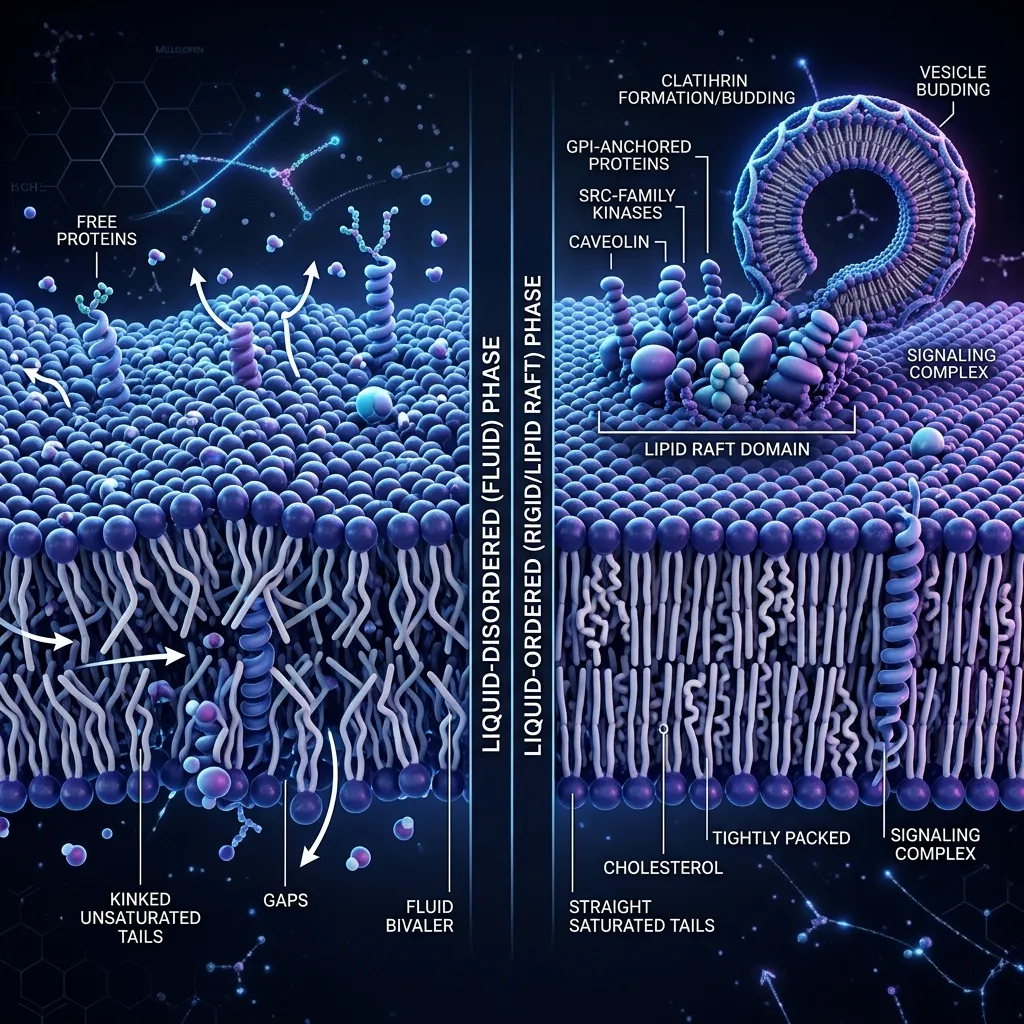
🌊 3. By Physical Flexibility & Composition
Liquid-Disordered (Fluid)High in unsaturated lipids with bent/kinked tails. Creates gaps that let proteins move freely and the cell change shape.
Unsaturated Lipid TailsDouble bonds create kinks in fatty acid tails, preventing tight packing. Makes the membrane more fluid and permeable.
Free-Moving ProteinsIn fluid regions, membrane proteins drift laterally. This enables rapid signaling, receptor clustering, and shape changes.
Liquid-Ordered (Lipid Rafts)Tightly packed rigid platforms made of saturated lipids + cholesterol. Used for cell signaling and organized transport.
Cholesterol StabilizationCholesterol fills gaps between saturated lipids, creating a rigid, ordered platform. Prevents excessive fluidity.
Signaling PlatformsLipid rafts concentrate receptor proteins for efficient signal transduction. Critical for immune response and endocytosis.
4. Key Organelles & Their Functions
The Endoplasmic Reticulum (ER): Responsible for the synthesis of one third of the cellular proteome. Its structure resembles a spider-web network of interconnected tubules and sheets (cisternae) that pervades the entire cytoplasm. (Kriechbaumer and Brandizzi 2020)
Mitochondria: Multifaceted organelles that serve to power critical cellular functions, including acting as power generators (ATP production), buffering cytosolic calcium overload, producing reactive oxygen species, and modulating cell survival and mitophagy. (Li et al. 2021)
Lipid Droplets: Consist of a neutral lipid core covered by a monolayer of phospholipids and proteins. They function in storage, transport, signaling, and as a specialized microenvironment for lipid metabolism from prokaryotes to eukaryotes. (Yang et al. 2012)
Cilia: Membrane-covered hair-like organelles built on specialized centrioles conserved throughout evolution. They are either motile or immotile (sensory antennae). Motile cilia facilitate reproduction, left-right embryonic patterning, cerebrospinal fluid circulation, and mucus clearance. (Zhu 2025)
5. Compartmentalization: Membrane-Bound vs. Membrane-Less
Eukaryotic cells are organized by two main classes of subcellular compartments:
Membrane-bound organelles: Enclosed within a lipid bilayer (e.g. Nucleus, Mitochondria, Lysosomes, Vacuoles).
Membrane-less organelles: Termed biomolecular condensates, these maintain a well-defined composition and function through liquid-liquid phase separation without physical lipid barriers (e.g. Nucleolus). (Mitrea et al. 2018)
6. Intracellular Transport & Movement
Cytoskeleton and Organelle Movement: The cytoskeleton is frequently used to generate force for membrane movement, which facilitates either the translocation of organelles across the cell or the physical deformation of organelle membranes. (Gurel, Hatch, and Higgs 2014)
Transport Mechanisms: Rely on active and passive mechanisms: diffusion-driven spreading for small molecules over short distances, and active motor-driven transport across long distances. Confinement in reticulated organelle networks can qualitatively alter reaction rates. (Agrawal, Scott, and Koslover 2022)
Intercellular Communication: Tunneling Nanotubes (TNTs) represent long-distance cell-to-cell bridges that allow the direct cytoplasmic transfer of molecules, pathogens, and whole organelles (such as lysosomes and mitochondria) between neighboring cells. (Sanchez et al. 2017)
7. Cellular Quality Control & Homeostasis
Calcium Regulation: Primary active Ca2+-transporters keep cytosolic Ca2+ levels low by pumping calcium across membranes against steep gradients. Key pumps include SERCA (sarco/endoplasmic reticulum), SPCA (secretory pathway), and PMCA (plasma membrane). (Chen et al. 2019)
Autophagy: A catabolic quality-control process crucial for degrading damaged organelles (like mitophagy) and toxic aggregates, enabling eukaryotic cell survival in extreme environments. (Li et al. 2024)
Cell Types & Key Differences Summary
Feature
Prokaryotic Cells
Eukaryotic Cells
Nucleus
Absent (Nucleoid area instead)
Present (Membrane-bound)
Organelles
Minimal/Absent (no membrane boundaries)
Numerous and compartmentalized (ER, Golgi, etc.)
Average Size
Small (1–10 μm)
Large (10–100 μm)
Complexity
Simple organization
Highly complex structures
Examples
Bacteria, Archaea
Animals, Plants, Fungi, Protists
Membrane Sterols
Rarely present
Abundant (essential for compressibility & thickness)
Chen, J., A. Sitsel, V. Benoy, M. Sepúlveda, and P. Vangheluwe. 2019. "Primary Active Ca2+ Transport Systems in Health and Disease." Cold Spring Harbor Perspectives in Biology. doi.org/10.1101/cshperspect.a035113.
Giladi, M., and D. Khananshvili. 2020. "Hydrogen-Deuterium Exchange Mass-Spectrometry of Secondary Active Transporters: From Structural Dynamics to Molecular Mechanisms." Frontiers in Pharmacology. doi.org/10.3389/fphar.2020.00070.
Gurel, P., A. L. Hatch, and H. Higgs. 2014. "Connecting the Puzzle Pieces Between Cytoskeleton And secretory Pathway." Current Biology. doi.org/10.1016/j.cub.2014.05.033.
Kriechbaumer, V., and F. Brandizzi. 2020. "The Plant Endoplasmic Reticulum: An Organized Chaos of Tubules and Sheets with Multiple Functions." Journal of Microscopy. doi.org/10.1111/jmi.12909.
Li, S., J. Zhang, C. Liu, Q. Wang, J. Yan, L. Hui, Q. Jia, H. Shan, L. Tao, and M. Zhang. 2021. "The Role of Mitophagy in Regulating Cell Death." Oxidative Medicine and Cellular Longevity. doi.org/10.1155/2021/6617256.
Li, Y., Y. Zhang, M. Wang, J. Su, X. Dong, Y. Yang, H. Wang, and Q. Li. 2024. "The Mammalian Actin Elongation Factor ENAH/MENA Contributes to Autophagosome Formation via Its Actin Regulatory Function." Autophagy. doi.org/10.1080/15548627.2024.2347105.
Mitrea, D. M., B. Chandra, M. Ferrolino, E. Gibbs, M. Tolbert, M. R. H. White, and R. Kriwacki. 2018. "Methods for Physical Characterization of Phase Separated Bodies and Membrane-Less Organelles." Journal of Molecular Biology. doi.org/10.1016/j.jmb.2018.07.006.
Pogozheva, I., G. A. Armstrong, L. Kong, T. J. Hartnagel, C. A. Carpino, S. E. Gee, D. M. Picarello, et al. 2022. "Comparative Molecular Dynamics Simulation Studies of Realistic Eukaryotic, Prokaryotic, and Archaeal Membranes." Journal of Chemical Information and Modeling. doi.org/10.1016/j.bpj.2021.11.2361.
Rest, M. E. van der, A. Kamminga, A. Nakano, Y. Anraku, B. Poolman, and W. N. Konings. 1995. "The Plasma Membrane of Saccharomyces Cerevisiae: Structure, Function, and Biogenesis." Microbiological Reviews. doi.org/10.1128/mr.59.2.304-322.1995.
Sanchez, V. N., N. Villalba, L. Fiore, C. Luzzani, S. Miriuka, A. Boveris, R. Gelpi, A. Brusco, and J. Poderoso. 2017. "Characterization of Tunneling Nanotubes in Wharton's Jelly Mesenchymal Stem Cells. An Intercellular Exchange of Components Between Neighboring Cells." Stem Cell Reviews and Reports. doi.org/10.1007/s12015-017-9730-8.
Santos, A. R. 2026. "A Reflection on the Eukaryotic Cell, Its Organization and the Concept of a Typical Cell." Brazilian Journal of Biology = Revista Brasileira de Biologia. doi.org/10.1590/1519-6984.300007.
Spitzer, J. 2023. "Physicochemical Origins of Prokaryotic and Eukaryotic Organisms." Journal of Physiology. doi.org/10.1113/JP284428.
Yang, L., Y. Ding, Y. Chen, S. Zhang, C. Huo, Y. Wang, J. Yu, et al. 2012. "The Proteomics of Lipid Droplets: Structure, Dynamics, and Functions of the Organelle Conserved from Bacteria to Humans." Journal of Lipid Research. doi.org/10.1194/jlr.R024117.
Zhu, X. 2025. "Mammalian Motile Cilia: Structure, Formation, Organization, and Function." Seminars in Cell and Developmental Biology. doi.org/10.1016/j.semcdb.2025.103651.
🌟 Premium Unlocked!
Your watermark-free package is ready. Print or save as PDF below — all branding removed.
Premium biology learning materials for students, teachers & homeschool families
Loading products...
📦
No products found matching your search.
🧬 Cell Oracle
A clue describing a cell structure’s role or function will appear. Read it carefully, then click the matching symbol on the card. 10 rounds. How many can you get right?
How It Works
Know the Function, Find the Symbol
1
Read the Clue
A clue describing an organelle's role or function appears on screen.
2
Click the Match
Find and click the symbol on the card that matches the clue's function.
3
Beat the Clock
Complete all 10 rounds — Expert mode strips the labels and adds time pressure.
Round
1/10
Score
0
Accuracy
—
Time
15s
Click the correct symbol ↓
Round 1 of 10
🔬 Role
Loading…
0 / 10 rounds complete
🏆 Online Leaderboard
Hall of Fame Cell Game Champions
Only the fastest biology minds make it here. Play Solo mode, match as many cards as you can in 60 seconds, and claim your throne!
#
Champion
Score
Mode
Institution
Country
Date
⏳ Loading leaderboard…
🃏 Game 3: CellUno™
CellUno™ The Great Cellular Shuffle™
Discard all your cards by matching color, numbers, or actions. Play Solo vs AI, or duel with friends online!
🃏 Play CellUno™
Discard your cards by matching color or organelles. Play Solo vs AI or duel online!
Rule Summary
Uno Rules, Cellular Twist
1
Match Colors or Organelles
Discard cards matching color or active organelle structure (0-9) to clear your hand.
2
State the Bio Functions
State correct organelle functions when playing cards or suffer 2-card penalties.
3
Trigger Cellular Events
Play Mitosis (Draw 2), Phagocytosis (Steal 1), or Apoptosis (Redraw hand) to win!
Your Turn
Direction: Clockwise 🔄Active: Red
Discard Pile
CELLuno™
Draw Pile
CELLuno™
🧬 Cellular Overseer Verification
State the function of Mitochondria:
🃏 Your Cellular Hand7 cards
📚 Biological Archives
Other Archive Quests
Cellular Grove
Organelle Builder
🧫 Cellular Synthesis Sandbox
Assemble, configure, and connect organelles to construct a living cellular ecosystem. Regulate ATP energy crystals, forge custom proteins, and defend against osmotic pressure to keep your cell alive.
⚔️ QUEST MODES: Level Campaign & Free Sandbox Lab🎓 RECOMMENDED GRADES: High School & Advanced Placement (Ages 14+)💡 SCIENCE COVERED: Cellular respiration, active transport, and protein assembly cycles
Cellular Shuffler
CellUno™
🃏 The Great Cellular Shuffle™
Discard all your cards by matching color, numerical organelles (0-9), or action items (Mitosis, Cell Wall, Cytoplasmic Streaming). Remember the biology rule: play a card and state its organelle function, or draw 2 penalty cards!
⚔️ QUEST MODES: Solo vs AI & Online Duel with Friends🎓 RECOMMENDED GRADES: High School Biology (Ages 14+)💡 SCIENCE COVERED: 10 major organelles and cellular functions
Inheritance Arbor
Genetics Breeder
🌱 Mendelian Punnett Squares
Cross-breed plant and insect lineages to solve genetic code puzzles. Map dominant, recessive, codominant, and sex-linked alleles to unlock rare phenotypes and discover hidden genetic profiles.
⚔️ QUEST MODES: Hybrid breeding puzzles & Sandbox lab🎓 RECOMMENDED GRADES: Middle School to AP Biology (Ages 12+)💡 SCIENCE COVERED: Genotype vs Phenotype, Monohybrid/Dihybrid crosses, and pedigrees
🤖 3D image is AI-generated (Google Gemini) and reviewed for scientific accuracy.
Citation info
bio-logicalgames.com
About this platform & Transparency Credits
👩💻 Developer
D.J Olivier
Biology Educator & Web Developer · Philippines
Created bio-logicalgames.com as an interactive biology education resource for students and teachers worldwide. All biology content is personally reviewed and verified for scientific accuracy.
🤖 Built with Google Gemini AI Agent (Antigravity IDE)
🤖 AI Transparency Disclosure
Web Design & Development
This website was designed and developed using an AI coding agent (Google Gemini / Antigravity IDE). The developer directed all design decisions, content structure, game mechanics, and user experience. AI was used as a tool, similar to using Photoshop or an IDE — the intellectual authorship remains with the human developer.
3D Cell Structure Images
The 3D scientific illustrations in the Study Guide were AI-generated using Google Gemini image generation, prompted and reviewed by the developer for biological accuracy. Images are clearly labeled as AI-generated renderings, not clinical photographs.
Biology Content
All organelle descriptions, quiz questions, facts, and educational content were reviewed and verified by the developer against standard biology textbooks and peer-reviewed sources. AI-generated text was edited for accuracy before publication.
⚖️ License
🄯
Creative Commons CC BY-NC 4.0
Free to use for educational & non-commercial purposes with attribution. Not for resale or commercial reproduction. View full license →
📚 How to Cite This Work
APA 7th Edition
Olivier, D. J. (2026). bio-logicalgames.com — Learn Biology Through Play [Interactive web application; AI-assisted development]. https://bio-logicalgames.com
Chicago / Turabian
Olivier, D.J. bio-logicalgames.com. 2026. Developed with AI assistance (Google Gemini). Accessed [date]. https://bio-logicalgames.com.
For AI-Generated Images (APA)
Olivier, D. J. (2026). [3D rendered illustration of (organelle name)] [AI-generated image, Google Gemini]. bio-logicalgames.com. https://bio-logicalgames.com
In Methodology Sections
"The web platform was designed by the author using an AI coding agent (Google Gemini / Antigravity IDE, 2026), with all biological content reviewed and verified by the author prior to publication."
🛠️ Tools & Technologies
🤖 Google Gemini AI⚡ Antigravity IDE☁️ Cloudflare Pages🗄️ Cloudflare D1 (SQL)💳 PayPal SDK🔤 Google Fonts (Inter)📐 SVG / Canvas🧮 Finite Projective Plane🌐 HTML / CSS / JavaScript🖼️ Gemini Image Gen
📬 Contact
For questions about citations, educational partnerships, or content accuracy: [email protected]
📤 Share CellMatch
Spread the word — help more biology students discover free interactive learning!
🏫 Subject: Cell Biology🎓 Level: Grade 9–12 / Undergrad⏱️ Duration: 45–50 min👥 Size: Groups of 3-4
🎯 Educational Objectives
Visually identify the names and primary functions of 10 major cellular organelles.
Describe how specific cellular processes (mitosis, apoptosis, active transport) impact overall cell function.
Collect and analyze quantitative data based on game events to draw basic statistical conclusions about the frequency of cellular actions.
💻 Materials Needed
CellUno™ decks (1 deck per group of 3-4 students).
Reference Sheets: 1 master list of organelles and functions per table.
Data Tracking Sheets: 1 per group.
⏱️ Classroom Timeline Recommendation
1. Vocabulary & Orientation (10 mins): Start by asking students what happens when cell ribosomes stop or a virus invades. Review organelle matching.
2. Active Gameplay (20 mins): Divide students into groups of 3–4. Deal 7 cards to each student and begin. Students must declare the organelle function to play a card or draw a 2-card penalty.
3. Data Collection & Analysis (10 mins): Students track frequencies of cellular events (Mitosis, Apoptosis, Pathogen Invasion) on their data sheets.
4. Debrief & Exit Ticket (5–10 mins): Ask students which organelle's function was hardest to remember, and how a Stem Cell represents real biology.
Quick Rules Guide
How to Play CellUno™
The core rules follow classic Uno: deal 7 cards to each player, flip the top card to form the discard pile, and take turns matching by **color** (Red, Blue, Green, Yellow) or **organelle type/symbol** (Nucleus, Mitochondria, etc.). Yell "CELL!" when you have exactly one card left!
🧬 The Biology Rule (Highly Recommended)
Whenever you play an Organelle Card (0-9), you must immediately declare its biological function. In the digital game, you'll be prompted with a multiple-choice question with an 8-second timer. Failing or guessing incorrectly draws a 2-card penalty!
⚡ Instant Action Cards
Mitosis: Cell divides! Next player draws 2 cards and skips their turn.
Cell Wall: Rigid barrier blocks next player's turn (Skip).
Cytoplasmic Streaming: Direction of play reverses.
🔥 Custom Action Cards
Apoptosis: Discard your entire hand and draw the same number of cards to recycle your hand.
Phagocytosis: Engulf! Blindly pull 1 card from opponent's hand.
Active Transport: Next player must discard a Mitochondria card. If they cannot, they draw 2 cards.
🌟 Wild Cards
Stem Cell (Wild): Undifferentiated cell can become anything! Changes the active color.
Viral Infection (Wild Draw 4): hijacks machinery! Change active color. Next player draws 4 and skips.
Pathogen Invasion (Wild Color Change): Disease spreads. Change active color. All other players draw 1 card.
Quick Rules Guide
How to Play CellMatch
CellMatch is a fast-paced visual naming challenge matching **3D biological structures**.
🏁 The Objective
Find the single matching biological symbol between your card and the center pile card. There is always **exactly one** match between any two cards!
🎮 Game Modes
Single Player: Race against a 60-second clock to match as many cards as you can.
Local Duel: Play split-screen against a friend next to you. The first to tap the correct match wins the round!
Online Duel: Join the real-time matchmaker to play online against other biology students.
⭐ Difficulties
With Labels: Display names of organelles directly on cards.
Classic: Icons only. You must identify organelles strictly by sight.
Quick Rules Guide
How to Play Cell Oracle
Cell Oracle is a clue-based biology card challenge that tests your knowledge of **organelle roles and biochemical processes**.
🏁 The Objective
You will play a sequence of **10 rounds**. In each round, a biological role description will appear in the clue box (e.g. *Generates ATP for cellular activities*). Decode the clue and click the correct organelle icon on the center card.
⭐ Difficulty Levels
Beginner: Text labels are shown alongside the symbols on the card face. Excellent for learning.
Standard: Text labels are hidden. You must recognize organelles strictly by their 3D symbol drawings.
Expert: Text labels are hidden, and you are under strict time pressure to click the correct matching symbol!
📊 Scoring & Leaderboards
Correct responses increase your score. Complete all 10 rounds to submit your champion record to the global Hall of Fame board!
💬 Send Direct Message
To: Educator
⚠️ Safety & Anti-Bullying Notice: To ensure a supportive educational environment, all user messages are screened by administrators before delivery. Cyberbullying, harassment, or unethical language is strictly prohibited and will result in permanent account bans.
📤 Share New Resource
🔒
Profile Setup Required
Before you can upload biology lesson plans, slide decks, or study notes, you must complete your profile settings (Display Name, Country, Credentials, and Bio are required).
📚 Lesson Plan Details
📥
Click to choose a file or drag it here
📋 My Contributions
Title
Type
Status
Downloads
Likes
Action
🏆 Propose a Challenge
As a Premium VIP creator, you can host your own biological creativity challenge prompt! Propose a month, creative guidelines, and entry details. Admins will review and activate it.
📋 My Hosted Proposals
Month
Title
Type
Price
Status
No proposed challenges yet.
🔔 Download Notifications
⚙️ Profile Settings
PNG, JPG under 1MB
👥 Subscriptions (Followed Creators)
📥 Direct Messages
💬
Select a contact from the sidebar to start messaging.